Case study
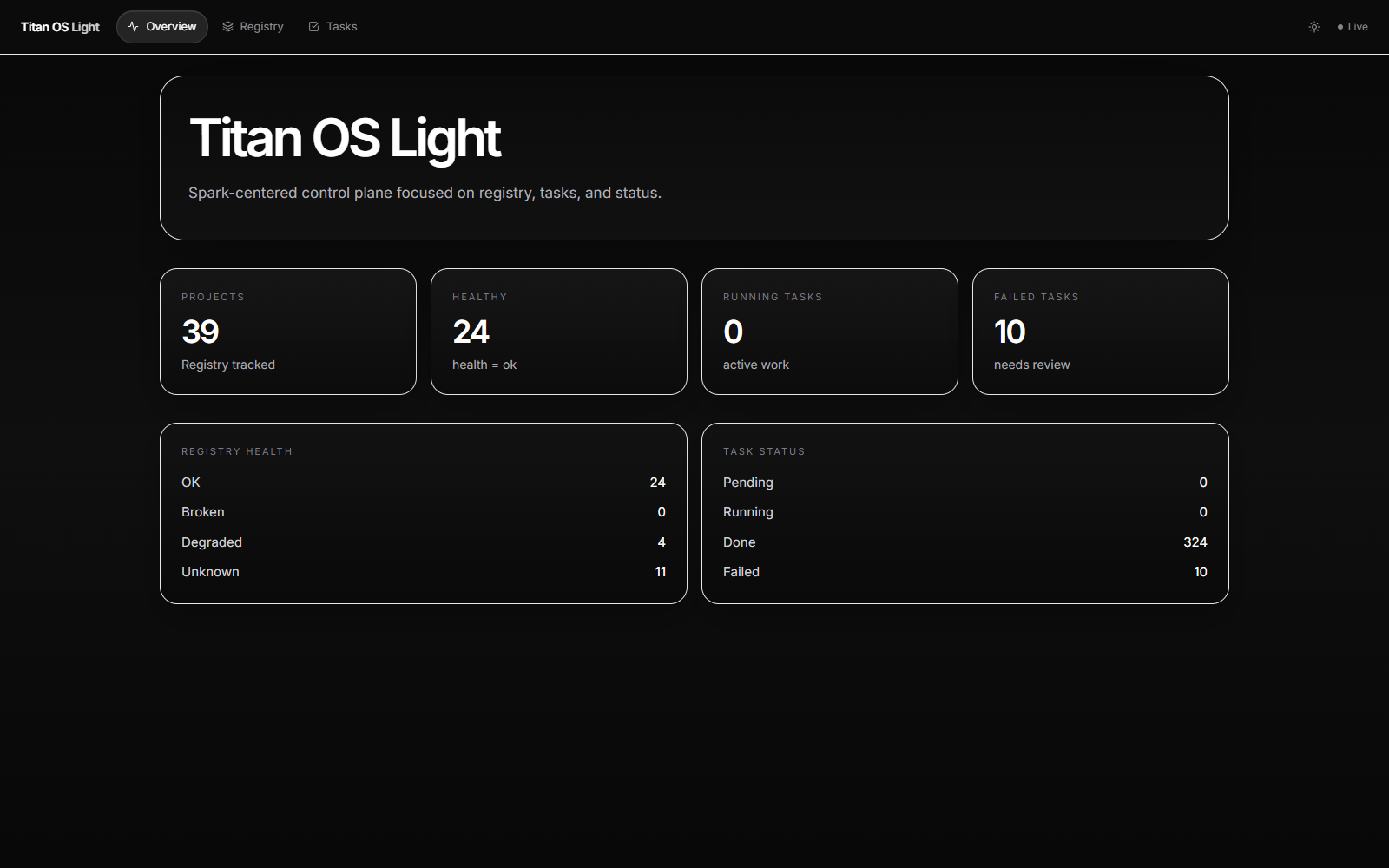
Titan Agent Fleet
Distributed AI operating environment across Windows, Linux, macOS, and GPU infrastructure.
Problem: AI work was fragmented across chats, tools, machines, credentials, codebases, browser tasks, and deployment environments. The system needed persistent memory, task delegation, model fallback, browser access, and production-grade execution discipline.
What I built:
- Designed a multi-host agent operating model with memory/wiki context, tool permissions, sub-agent delegation, scheduled jobs, and verification rules.
- Routed workloads by host capability: local coordination, GPU/model serving, media/video processing, browser automation, and infrastructure operations.
- Integrated cloud model usage with local fallback through LiteLLM/vLLM and OpenAI-compatible endpoints.
- Created SOPs for build checks, smoke tests, browser checks, endpoint validation, and incident-aware execution.
Stack: OpenClaw, LiteLLM, vLLM, Docker, systemd, Caddy, Tailscale, GPG vaults, Windows, Linux, macOS
Result: Reusable internal AI operations platform for building, debugging, deploying, and auditing software/business systems faster.
Case study
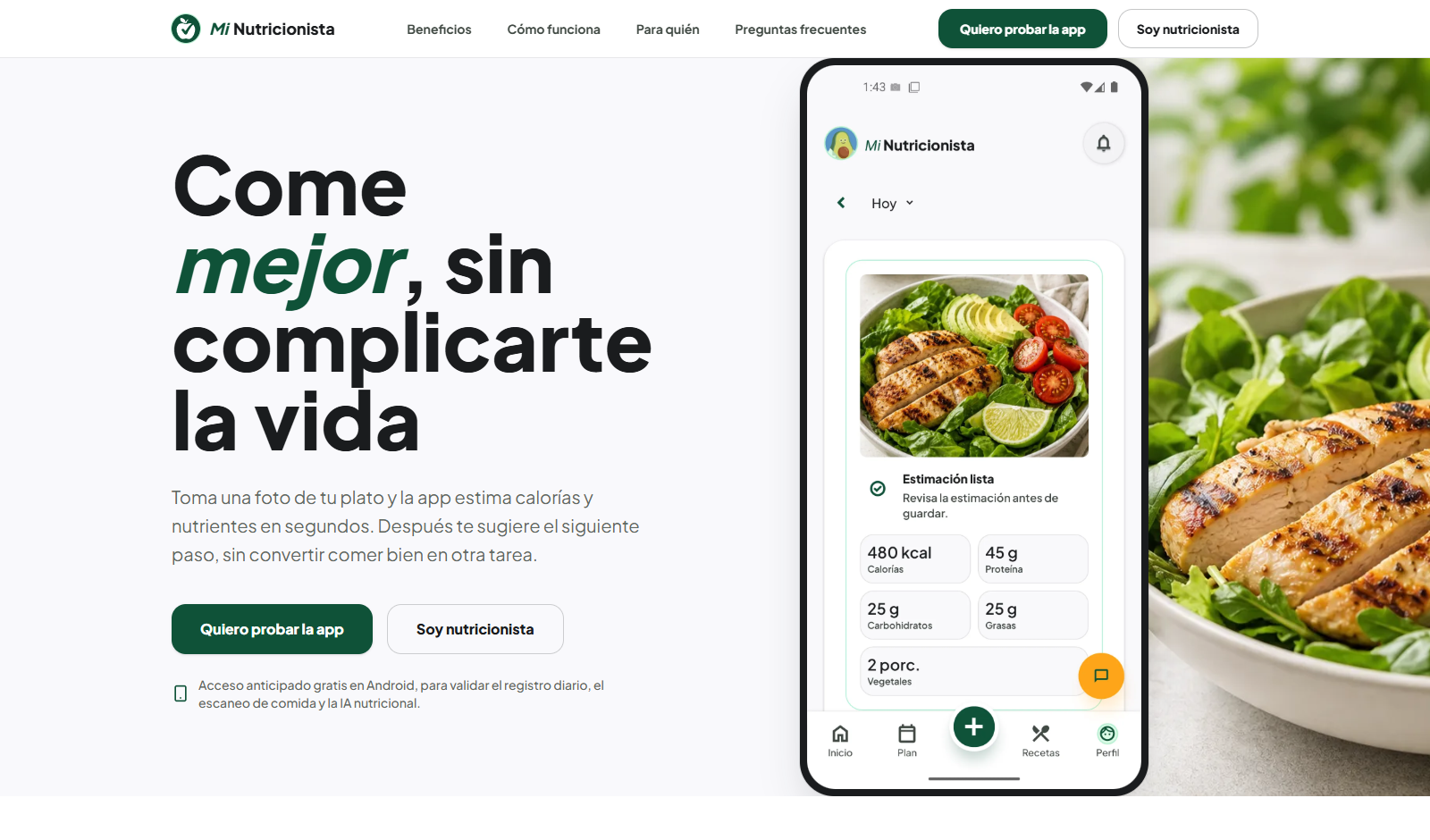
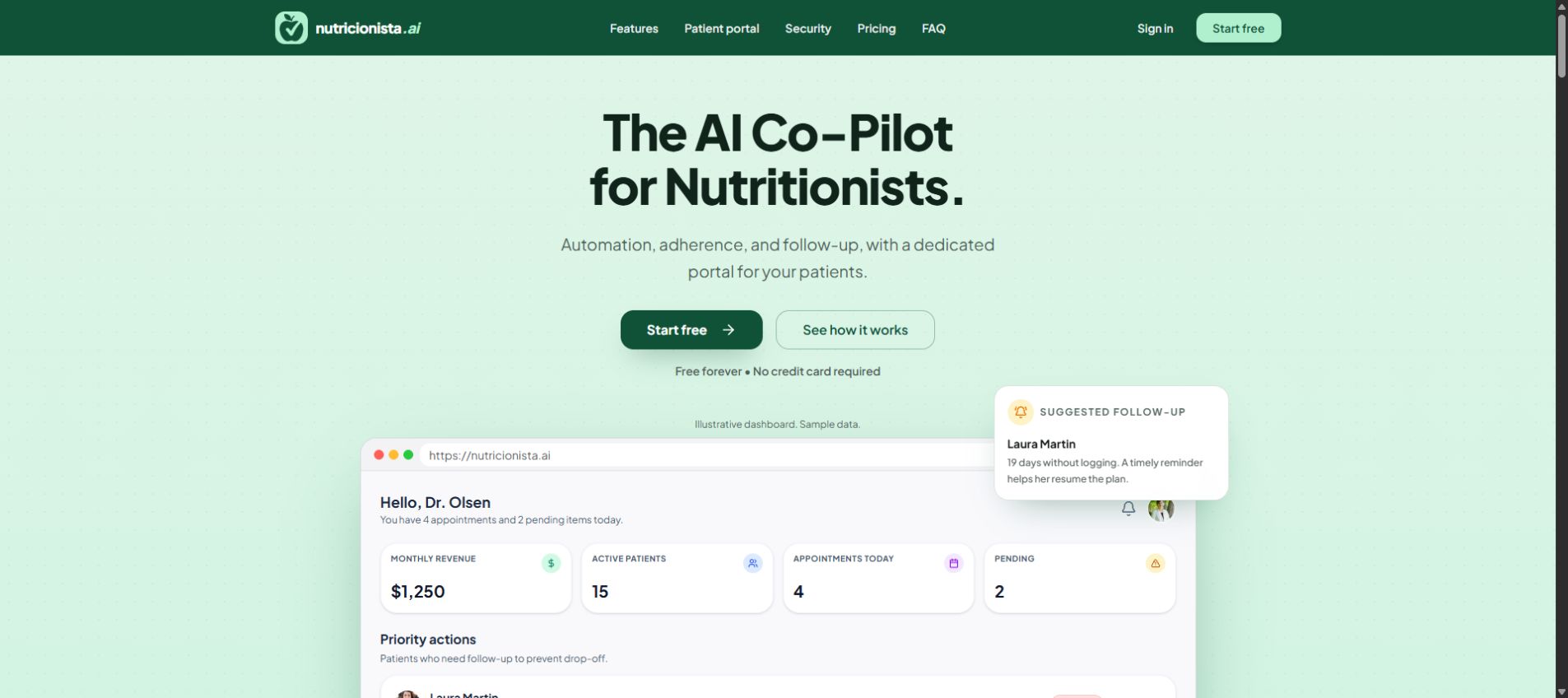
nutricionista.ai
AI-enabled SaaS platform for nutrition professionals and patients.
Problem: Nutrition professionals need patient management, CRM, AI productivity, billing architecture, onboarding, and patient portal workflows in one system.
What I built:
- Built admin dashboard, CRM, leads, patient workflows, appointments, resources, onboarding, integrations, and role-based surfaces.
- Built patient portal PWA and SEO directory for nutritionist discovery.
- Added AI feature foundations for meal planning, recipes, lab interpretation, growth, and progress analysis.
- Implemented Supabase data layer and Vercel deployment workflows.
Stack: Next.js, React, TypeScript, Supabase, Postgres, Vercel, Stripe architecture, shadcn/ui
Result: Large SaaS surface with 35+ routes, 80+ components, multiple role-based workflows, patient portal, admin tooling, and AI feature foundations.
Open public projectCase study
WhatsApp Business Agent
Inbound lead handling, CRM logging, and follow-up automation.
Problem: Inbound WhatsApp conversations were hard to classify, track, and follow up manually. The business needed a workflow that could capture messages, update contact records, and schedule next actions.
What I built:
- Implemented webhook intake, inbound classification, contact/profile upsert, conversation logging, and message logging.
- Built follow-up scheduling, inbox UI, send/simulate routes, and no-store cache fixes to avoid stale inbox state.
- Designed simulated outbound fallback so the product works even when Meta credentials are absent.
- Validated with local build, local smoke tests, production deploy, and production endpoint checks.
Stack: Next.js, Supabase, TypeScript, webhooks, Vercel
Result: Working WhatsApp inbox and automation foundation for business lead handling and follow-up.
Case study
Agent Bubble
Public AI agent interaction surface.
Problem: Agent products need public surfaces that feel like products, not internal demos.
What I built:
- Built a public agent/chat product surface.
- Connected it to the broader AI workflow and portfolio narrative.
- Made it usable as a recruiter/client proof link.
Stack: Next.js, Vercel, AI workflow architecture
Result: Public demo available at dm.m8apps.com.
Open public project